
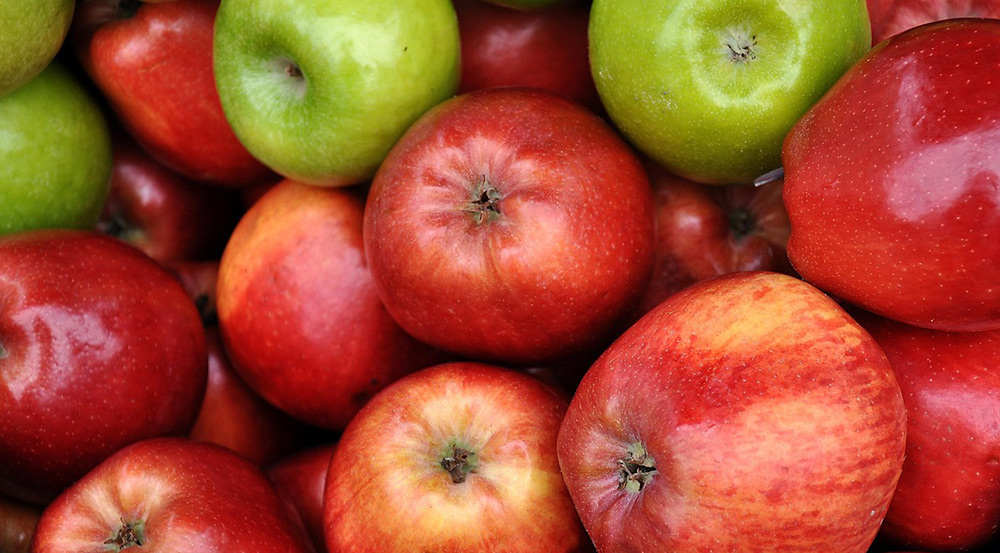
Apples are among the world’s most popular fruits, and few ingredients are as useful in everyday cooking. Crisp and refreshing when eaten fresh, they can also be baked into cakes and pies, cooked into sauces and chutneys, added to salads and savoury dishes, or pressed into juice and cider. Their flavour ranges from sharp and tart to honey-sweet, depending on the variety, so there is an apple for almost every recipe.
Apples have a particularly strong place in British, American and Australian food traditions. In Britain, the Bramley apple is a classic cooking variety, used in apple crumble, pies and sauces. In the United States, apple pie is one of the country’s best-known desserts, while applesauce and apple cider are familiar favourites. Australia has its own apple-growing heritage too, including the Granny Smith and Pink Lady varieties. Whether you are looking for a traditional pudding, a healthy snack, a fresh salad or an interesting savoury dish, our apple recipes offer plenty of inspiration.
The origin and history of apples
The cultivated apple (Malus domestica) has a long history. Its main wild ancestor, Malus sieversii, originated in Central Asia, particularly in the region of present-day Kazakhstan, where wild apple trees can still be found. Apples gradually spread westwards along ancient trade routes, including the Silk Road, eventually reaching Europe. The Greeks and Romans cultivated different varieties and helped establish apple growing across the continent.
During the Middle Ages, apples became an important fruit throughout Europe. They were eaten fresh, dried for winter storage, cooked into dishes and fermented into cider. As cultivation developed, growers selected varieties with different flavours, textures and keeping qualities. Over centuries, this produced the extraordinary range of apples available today.
Apples are now grown in temperate regions throughout the world. China is the largest producer, while the United States, Poland, India, Turkey, France, Italy, the UK and Australia are also important apple-growing countries. Apples are available throughout the year in most supermarkets, thanks to seasonal harvesting and controlled storage.
Apple varieties around the world
There are thousands of cultivated apple varieties, differing in colour, size, sweetness, acidity, texture and suitability for cooking. Some are best eaten fresh, while others become particularly delicious when baked or cooked.
It is useful to distinguish between eating apples and cooking apples. Eating apples tend to be sweeter, crisp and juicy, whereas cooking varieties are often more acidic and soften or break down during cooking. However, many modern varieties can be used for both purposes.
Popular British and international varieties
- Bramley is Britain’s best-known cooking apple. It has a sharp flavour and breaks down into a soft, fluffy purée when cooked, making it ideal for apple crumble, pies, sauces and baked puddings. It is generally too tart to be enjoyed as an eating apple.
- Cox’s Orange Pippin, usually called Cox, is a traditional British dessert apple with an aromatic, sweet-tart flavour. It is particularly good eaten fresh, but can also be used in cakes, tarts and salads.
- Granny Smith is an Australian variety, originally discovered in New South Wales in the 19th century. Its bright green skin, firm flesh and distinctly tart flavour make it popular for eating, baking, salads and savoury dishes. It is particularly useful when a recipe needs an apple that retains some texture.
- Pink Lady is the well-known commercial name for selected Cripps Pink apples, developed in Western Australia. These apples are crisp, juicy and sweet with a refreshing acidity. They are excellent for snacking, salads, baking and cheese boards.
- Royal Gala is a sweet, aromatic and juicy apple, originally developed in New Zealand. It is popular in Britain, Australia and many other countries. It works well as a snack and can also be used in fruit salads, cakes and sauces.
- Golden Delicious has yellow-green skin and a mild, sweet flavour. Its tender flesh makes it suitable for eating fresh, baking, tarts and apple sauces.
- Braeburn originated in New Zealand and has a balanced sweet-tart flavour with firm, crisp flesh. It is a versatile variety for both eating and cooking, particularly in pies, cakes and baked dishes.
- Fuji originated in Japan and is known for its sweetness, crisp texture and good keeping qualities. It is particularly popular as an eating apple, but also works well in salads and baking.
Other varieties commonly found in supermarkets include Jonagold, Jazz, Kanzi, Envy and Red Delicious. Availability varies by country and season, and many supermarkets now stock several varieties throughout the year.
Apples in Australia and the United States
- Australia has a particularly interesting apple-growing history. The Granny Smith originated there, while Cripps Pink, which is marketed internationally as Pink Lady, was also developed in Western Australia. Gala, Fuji and other international varieties are widely grown too. Because Australia is in the Southern Hemisphere, its main apple harvest generally takes place during the first half of the year, with local varieties appearing in shops from late summer onwards.
- In the United States, popular varieties include Gala, Fuji, Honeycrisp, Red Delicious, Granny Smith and McIntosh, alongside many regional varieties. Honeycrisp is especially appreciated for its exceptionally crisp, juicy texture. McIntosh apples soften readily when cooked, making them useful for applesauce and similar dishes, while Granny Smith is a familiar choice for apple pie. Jonathan is another traditional American variety, known for its bright red skin and crisp, juicy flesh. Its balanced sweet-tart flavour makes it suitable for both eating fresh and cooking. It is also one of the parent varieties of Jonagold.
- The variety available in shops will depend on the region, but the basic rule is simple: choose a crisp eating apple for salads and snacks, and a tart or firm variety for baking, depending on the texture you want.
Buying apples
- Choose firm apples with smooth, unbroken skin and a fresh appearance. Avoid fruit with soft spots, bruises, deep cuts or brown patches. A little natural variation in colour is perfectly normal, and the skin does not need to be perfectly shiny.
- The best apple depends on how you intend to use it. For eating fresh, choose a variety with a crisp texture and a flavour you enjoy. For baking, consider whether you want the apple to hold its shape or collapse into a soft filling. Bramley is excellent for a fluffy filling, while Granny Smith, Braeburn and Pink Lady retain more texture.
- If you are making a pie or crumble, you can also combine two varieties. A sharp cooking apple provides acidity, while a sweeter eating apple adds flavour and helps balance the filling.
- Apples are available throughout the year, but locally grown varieties are often at their best during the main harvest season. In the UK, the traditional apple season runs from late summer into autumn, while Australian-grown apples are harvested mainly during the Southern Hemisphere’s late summer and autumn.
How to store apples
- Apples keep best in cool conditions. For everyday use, store them in the refrigerator, preferably in the fruit drawer, where they will remain crisp for longer. If you have a large quantity, a cool, dark and well-ventilated place can also be suitable, provided the temperature is low and reasonably stable.
- Apples release ethylene, a natural plant hormone that encourages ripening. This can cause nearby fruit and vegetables to ripen more quickly, so it is worth keeping apples separate from produce that is sensitive to ethylene, such as leafy greens.
- Check stored apples regularly and remove any that become bruised or start to rot, as damaged fruit can affect the others. Some varieties, particularly those bred for storage, keep much longer than others.
- Cut apples turn brown when exposed to air because of enzymatic oxidation. To slow this process, toss sliced or grated apple with a little lemon juice, or keep it covered until needed. This is particularly useful when preparing fruit salads, lunchboxes and desserts in advance.
Nutritional value and health benefits
Apples are a low-calorie fruit with a high water content and a useful amount of dietary fibre. A medium-sized apple with its skin provides roughly 80–100 kcal, depending on its size and variety. Most of its energy comes from naturally occurring carbohydrates, including fruit sugars.
- Fibre and digestion. Apples contain both soluble and insoluble fibre. One of their most useful soluble fibres is pectin, which is found in the flesh and skin. Fibre contributes to normal bowel function and helps support digestive health. Eating whole apples is generally more beneficial in this respect than drinking filtered apple juice, which contains little fibre.
- Heart health and cholesterol. Pectin and other components of apples have been studied for their potential role in supporting healthy cholesterol levels. Soluble fibre can help reduce the absorption of cholesterol as part of a balanced diet. Apples also contain polyphenols, plant compounds that are being investigated for their possible cardiovascular benefits. However, eating apples alone cannot prevent heart disease.
- Antioxidants and plant compounds. Apples contain flavonoids and other polyphenols, including quercetin. These compounds have antioxidant activity and are part of the reason why a varied diet rich in fruit and vegetables is associated with good health. Much of the beneficial plant compound content is found in or close to the skin, so eating well-washed apples unpeeled is a good option.
- Vitamins and minerals. Apples provide some vitamin C and smaller amounts of potassium and other micronutrients. They are not particularly rich in vitamins compared with some other fruits, but they contribute to overall nutrient intake when eaten regularly as part of a varied diet.
- Blood sugar and satiety. Whole apples contain fibre and water, which help make them more filling than fruit juice. Their glycaemic response is generally moderate, although portion size and individual circumstances matter. People with diabetes can usually include whole apples in a balanced diet, taking their overall carbohydrate intake into account.
The familiar saying, “An apple a day keeps the doctor away”, is not a medical guarantee, but it does reflect the value of including fruit in everyday eating. Apples are convenient, affordable and easy to incorporate into meals and snacks.
Apple cider vinegar
- Apple cider vinegar is made by fermenting apple juice or cider. Yeast first converts the natural sugars into alcohol, and bacteria then convert the alcohol into acetic acid. The result is a sharp, aromatic vinegar used in cooking and food preservation.
- It is particularly useful in salad dressings, marinades, pickles, chutneys and sauces. Its acidity can balance rich or sweet ingredients, and a small amount can brighten soups, stews and meat dishes. It is also used in baking, where vinegar can react with bicarbonate of soda to help create a lighter texture.
- Apple cider vinegar has become popular as a supposed natural health remedy, with claims ranging from improved digestion to weight loss and blood sugar control. Some studies suggest that vinegar may have a modest effect on blood glucose after meals.
- Because it is acidic, undiluted apple cider vinegar can irritate the throat and digestive tract and damage tooth enamel. It is best used in ordinary culinary quantities rather than taken as a concentrated health drink.
How to use apples in cooking
Apples are one of the most versatile fruits in the kitchen. They can be eaten raw, baked, roasted, stewed, grated, juiced, dried or preserved. Their balance of sweetness and acidity makes them suitable for both sweet and savoury dishes.
Apple desserts and baking
- Apples are perhaps best known as a baking ingredient. British favourites include apple crumble, apple pie, apple cake, apple sponge pudding and apple turnovers. Apple crumble is particularly easy to prepare: simply combine cooked or raw apple pieces with sugar and spices, then cover with a buttery crumble topping and bake until golden.
- In the United States, apple pie is an iconic dessert, often served warm with vanilla ice cream or a slice of Cheddar cheese. Apple cobbler, apple crisp and apple muffins are also popular.
- In Australia, apple cakes, slices, muffins and simple baked puddings are familiar ways to use seasonal fruit.
- Apples can also be added to pancakes, waffles, muffins, scones, doughnuts and breakfast bars. Grated apple provides moisture and natural sweetness in cakes and quick breads, while cooked apple purée can be used in some baking recipes to replace part of the fat or sugar.
- For a simple dessert, bake whole or halved apples with cinnamon, raisins, nuts and a little honey or maple syrup. They can be served with custard, yoghurt, cream or ice cream.
Apple sauces, chutneys and preserves
- Apples are excellent for making sauces and preserves. British apple sauce, traditionally served with roast pork, is usually made by cooking apples with a little water and sugar until soft. It can be smooth or slightly chunky, depending on preference.
- In the United States, applesauce is a familiar accompaniment to pork and is also eaten as a snack or used in baking. It can be made with sweet or tart apples, with cinnamon added for extra flavour.
- Apples are also ideal for chutneys, which combine fruit with vinegar, sugar, onions and spices. Apple chutney is particularly good with cheese, cold meats, sausages and roasted dishes. It can be made with raisins, ginger, mustard seeds, chilli or warming spices.
Apples in savoury dishes
- Apples are not just for desserts. Their natural sweetness and acidity work particularly well with pork, duck, chicken and game. They can be roasted alongside meat, added to stuffing or cooked into sauces. Pork and apple is a classic combination in British cooking, while apples are also used in traditional dishes across northern Europe.
- Thinly sliced apples add freshness and crunch to salads. Combine them with walnuts, celery, blue cheese, rocket, cabbage or fennel, and dress with lemon juice or a light vinaigrette. They are also excellent in coleslaw, where their sweetness balances the sharpness of cabbage and dressing.
- Apples can be added to soups, particularly those made with squash, parsnips, carrots or celeriac. A tart apple brings freshness to a creamy vegetable soup, while sweeter varieties add a gentle fruitiness to spiced dishes.
- In curries and stews, apples can provide a subtle sweetness and help balance chilli and aromatic spices. They also work well with lentils, root vegetables and warming spices such as cinnamon, cumin and coriander.
Apple drinks
- Apple juice is popular around the world, available both cloudy and filtered. Cloudy apple juice retains more of the fruit’s suspended pulp, while clear juice has been filtered. Neither should be confused with whole apples, as juicing removes most of the fibre.
- Apple cider is particularly important in Britain, France, the United States and Australia. In the UK, traditional cider-making is strongly associated with the West Country, especially Somerset, Herefordshire and Devon. French cider is well known in Normandy and Brittany, where it is also used in cooking. In the United States, hard cider has a long history and has become popular again in recent years.
- Cider can be used in marinades, sauces, stews and baked dishes, particularly with pork and poultry. In France, Calvados, an apple brandy from Normandy, is used in desserts, sauces and traditional dishes such as crêpes flambées. Apple juice can also be warmed with cinnamon, cloves and citrus for a comforting non-alcoholic autumn or winter drink.
From a simple snack to a classic apple pie, a fresh salad or a savoury sauce, apples offer endless possibilities throughout the year. Explore our apple recipes for more inspiration, whether you are cooking with sharp Bramleys, crisp Granny Smiths or sweet Pink Lady apples.
Apple recipes>>