
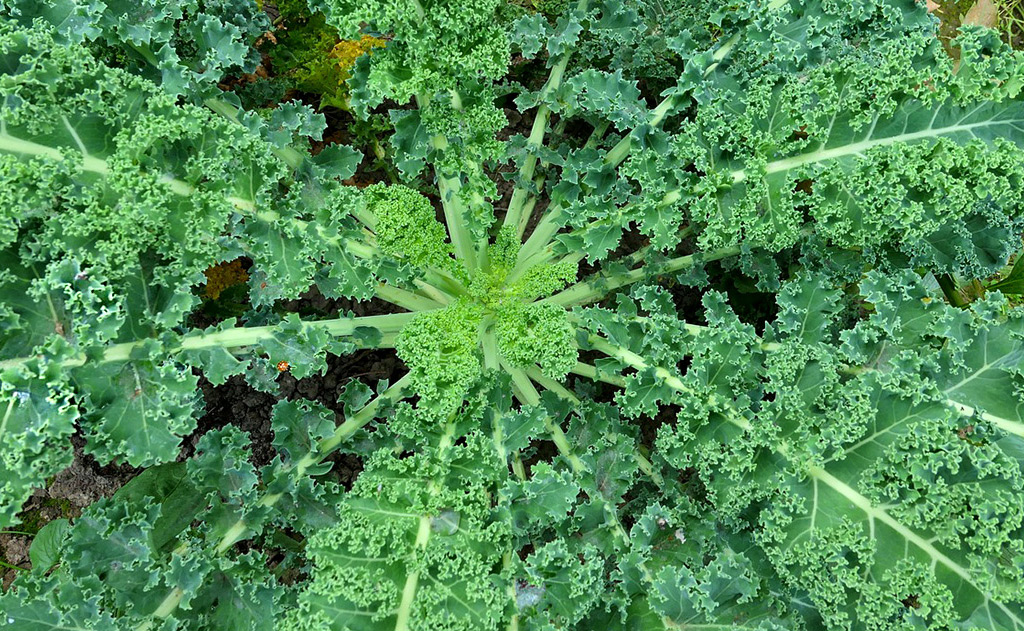
Curly kale, often simply called kale, has become one of the most popular leafy greens in modern cooking, but this hardy vegetable has a much longer history than its recent “superfood” reputation suggests. Once mainly associated with traditional winter dishes, it has become a favourite ingredient in healthy everyday cooking, thanks to its bold flavour, versatility and impressive nutritional value. From comforting soups and hearty stews to fresh salads, green smoothies and crispy kale chips, curly kale recipes show just how adaptable this leafy green can be.
Although social media helped turn kale into a global food trend during the 2010s, its popularity has lasted because it is affordable, easy to prepare and works well in a wide range of dishes. Whether cooked simply as a side dish or used as the main ingredient in a nourishing meal, curly kale is a vegetable that deserves a regular place in the kitchen.
It is particularly popular in the UK, the United States, the UK, Germany, Italy, Portugal and Scandinavia, where it features in both traditional recipes and modern plant-based cooking.
The Plant
Kale (Brassica oleracea var. sabellica) belongs to the cabbage family (Brassicaceae), alongside cabbage, broccoli, cauliflower, Brussels sprouts and black kale (cavolo nero). Unlike headed cabbages, kale grows as a loose rosette of sturdy, ruffled leaves. It’s one of the hardiest leafy vegetables and actually develops a sweeter flavour after a light frost, making it a popular winter crop in cooler climates.
Originally native to Europe, kale has been cultivated for over 2,000 years. It remained an important staple across northern Europe long before many of today’s cabbage varieties became common. Today it’s grown worldwide, from Europe and North America to Asia and Australia.
There are several popular varieties. Curly kale has tightly ruffled green leaves, while Lacinato kale (also known as Tuscan kale, Dinosaur kale or Cavolo Nero) has long, dark, crinkled leaves and is widely used in Italian cooking. Other varieties include Redbor, with striking purple leaves, and Winterbor, a particularly cold-hardy curly kale.
Buying and Storing Kale
- Fresh kale is available year-round in most supermarkets, although it’s naturally at its best during the cooler months from autumn through early spring.
- In the UK, curly kale is commonly sold both as whole bunches and as ready-chopped bags, making it easy to add to soups, stir-fries and side dishes. You may also come across cavolo nero (also known as Tuscan or dinosaur kale), a different variety with long, dark leaves that’s especially popular in Italian cooking.
- When shopping, choose bunches with crisp, deeply coloured leaves and firm stems. Avoid leaves that are yellowing, wilted or slimy.
- Store kale unwashed in the vegetable drawer of the fridge, ideally in a loosely closed paper or reusable produce bag. It usually stays fresh for up to a week.
- Kale also freezes well. Blanch the leaves for a couple of minutes, cool them quickly in ice water, drain thoroughly and freeze for later use in soups, stews or smoothies.
Kale’s Rise to Superfood Fame
Few vegetables have enjoyed a rise to fame quite like kale. Although it had long been used in traditional European cooking, kale became one of the defining food trends of the 2010s. Health bloggers, nutritionists, fitness influencers and celebrity chefs helped turn it into one of social media’s favourite ingredients. Green smoothies, kale salads, grain bowls and homemade kale chips flooded Instagram and Pinterest, while cafés and juice bars added kale to almost every healthy menu. The trend also fuelled interest in plant-based eating, with kale becoming a symbol of wholesome, nutrient-rich cooking. While the social media hype has settled down, kale has remained popular because it’s genuinely versatile, affordable and nutritious.
Health Benefits
Kale is one of the most nutrient-dense leafy vegetables available.
- It contains only around 45–50 Kcal/100 g, while providing plenty of fibre, vitamins and minerals.
- Kale is particularly rich in vitamin K, which plays an important role in normal blood clotting and bone health. Vitamin K contributes to normal bone metabolism and helps the body use calcium effectively, making kale a valuable addition to a balanced diet that supports strong bones.
- Kale is also one of the better plant sources of calcium, and the calcium it contains is relatively well absorbed compared with many other leafy greens. This makes it a valuable addition to a balanced diet that supports strong bones.
- It is also an excellent source of vitamin C, which supports the immune system and helps protect cells from oxidative stress.
- Kale also provides magnesium, potassium and iron, together with antioxidants such as lutein, zeaxanthin and beta-carotene.
- Like many cruciferous vegetables, it contains natural compounds called glucosinolates, which are being widely studied for their potential role in supporting long-term health as part of a balanced diet.
- For centuries, kale wasn’t viewed as a medicinal plant but simply as a nourishing, dependable vegetable. In colder parts of Europe it was particularly valued during winter, when fresh vegetables were scarce.
Use of Kale in Cooking
Kale is one of the most versatile leafy greens in the kitchen.
- Raw kale has a firm texture and slightly peppery, earthy flavour. For salads, it’s often massaged with olive oil or lemon juice, which softens the leaves and makes them more tender.
- It’s a popular ingredient in green smoothies, where it blends well with fruits such as banana, pineapple, mango or apple.
- Cooked kale becomes milder and works beautifully in soups, stews, curries and pasta dishes. One of the world’s best-known kale recipes is the Portuguese soup caldo verde, where finely shredded kale is simmered with potatoes and onions. In Italy, Tuscan kale (cavolo nero) is an essential ingredient in the famous bean and vegetable soup ribollita.
- Kale also pairs well with garlic, chilli, mushrooms, beans, chickpeas, lentils, eggs and roasted vegetables. It’s delicious stirred into risottos, grain bowls, omelettes, stir-fries and casseroles.
- Perhaps its most famous modern use is kale chips. Tossed with olive oil, seasoned and baked until crisp, they became one of the defining healthy snacks of the social media era.
Kale recipes have become a staple of healthy cooking thanks to this leafy green’s versatility, rich flavour and impressive nutritional profile. Whether you’re making a hearty winter soup, a fresh salad, a nutritious smoothie or a tray of crispy kale chips, this versatile leafy green earns its place in the kitchen. The kale recipes below show just how easy it is to use in everyday cooking.
Recipes with Curly kale>>