
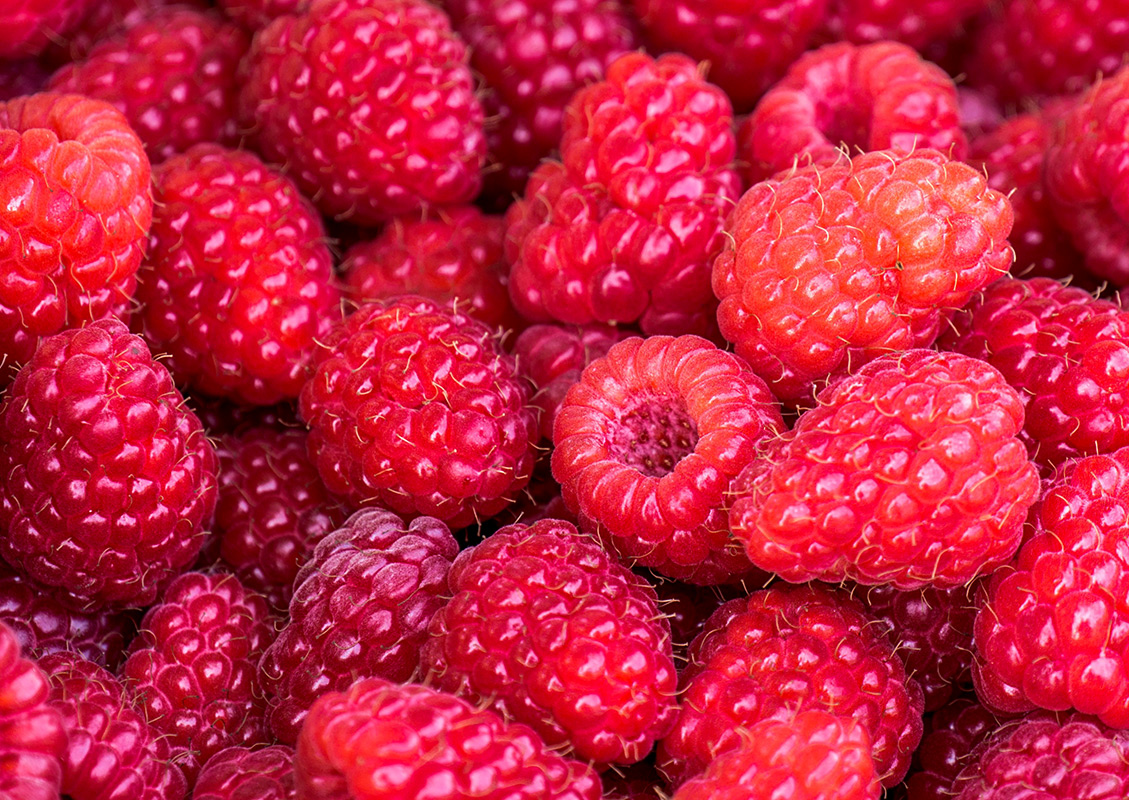
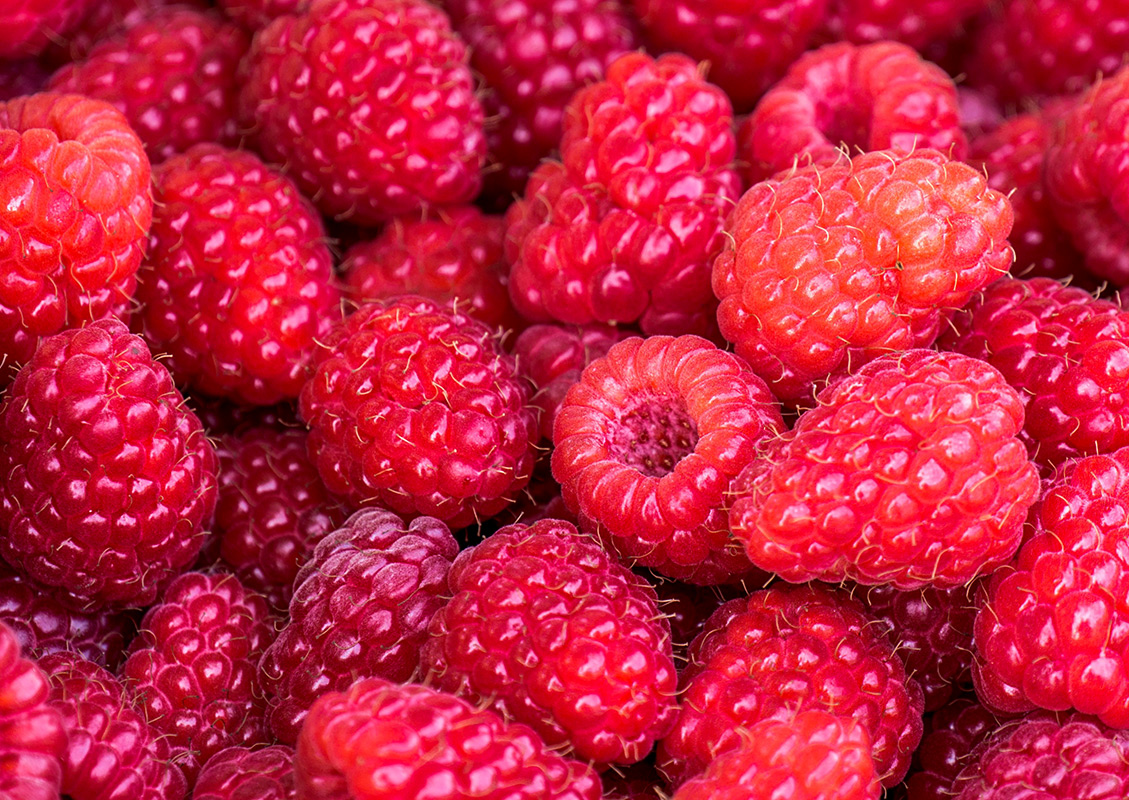
Raspberry recipes are especially popular during summer, when fresh raspberries are at their sweetest and most fragrant. Their balance of sweetness and sharpness makes them one of the most versatile berries in the kitchen, working just as well in simple breakfasts as they do in elegant desserts and drinks. From raspberry cheesecakes and chocolate cakes to smoothies, jams, cocktails, and summer puddings, raspberries add colour, freshness and a bold fruit flavour that stands out immediately.
In the UK, raspberries are a classic ingredient in seasonal desserts like trifles, pavlovas, Eton mess, and sponge cakes, while in the US and Canada they’re widely used in muffins, pies, sauces and breakfast bowls. They’re also a favourite in modern café-style recipes thanks to their bright appearance and naturally fresh taste.
The Plant
The raspberry, known botanically as Rubus idaeus, belongs to the rose family, along with strawberries, apples and blackberries. It grows naturally across Europe and parts of Asia and has been gathered from the wild for centuries.
Raspberry plants produce thorny, bush-like canes and usually grow fruit on second-year stems. There are both summer-fruiting and autumn-fruiting varieties, with some types producing fruit twice in a single growing season.
Raspberries grow particularly well in cooler, temperate climates, which is why they’re widely cultivated in countries like the UK, Scotland, Poland, Serbia, Canada and parts of the northern United States.
Technically, a raspberry is made up of many tiny drupelets clustered together, creating its distinctive hollow shape.
Buying and Storing Raspberries
- Fresh raspberries are usually in season from late spring through summer, although imported berries are available in supermarkets year-round.
- When buying raspberries, look for plump, brightly coloured berries without signs of crushing or leaking juice. Because they’re delicate and highly perishable, raspberries spoil much faster than many other fruits.
- They’re best eaten within one or two days and should be stored in the refrigerator. Wash them only just before eating, since extra moisture can make them go soft and mouldy more quickly.
- Raspberries freeze extremely well. To prevent them sticking together, freeze them first in a single layer on a tray before transferring them to freezer bags or containers. Frozen raspberries are perfect for smoothies, sauces, baking, and desserts.
Health Benefits of Raspberries
- Raspberries are naturally low in calories while being rich in nutrients and fibre. They contain around 50–55 calories per 100 grams, making them a popular ingredient in lighter desserts, breakfasts, and healthy snacks.
- Their high fibre content supports digestion and helps keep you feeling full for longer. They’re also rich in vitamin C, which supports the immune system and acts as an antioxidant.
- Raspberries contain vitamin K as well, along with minerals such as potassium and magnesium, which contribute to normal muscle and nervous system function.
- One of the biggest nutritional advantages of raspberries is their antioxidant content. They’re rich in anthocyanins and polyphenols – plant compounds linked to cell protection and reduced oxidative stress.
- Raspberry leaf tea has also been used traditionally in herbal remedies, particularly in Britain and Europe, where it has long been associated with women’s health.
Use of Raspberries in Cooking
Raspberries are one of the most versatile berries in cooking, especially when it comes to desserts.
- They’re a classic ingredient in cheesecakes, layer cakes, mousses, trifles, tarts, macarons, pavlovas, and creamy desserts. Their tartness cuts through rich ingredients beautifully, which is why raspberries pair so well with whipped cream, mascarpone, vanilla, and chocolate.
- The combination of raspberries and dark chocolate is particularly popular, creating a balance between sweet, bitter, and sharp flavours that feels rich without becoming overly heavy.
- Raspberries are also excellent in frozen desserts. Raspberry sorbet is especially refreshing in summer, while raspberry ripple ice cream remains a classic flavour in Britain and North America.
- They’re commonly used in jams, preserves, syrups, coulis, fruit sauces and dessert toppings. Some people strain raspberry purée to remove the tiny seeds, especially for smoother sauces and elegant desserts.
- In drinks, raspberries work beautifully in lemonades, cocktails, mocktails, iced teas and sparkling wine drinks. Their vibrant colour also makes them a favourite garnish for cakes, desserts and summer cocktails.
- Although they’re mostly associated with sweet dishes, raspberries can work surprisingly well in savoury recipes too. They pair particularly well with duck, venison, soft cheeses, walnuts and peppery salad leaves like rocket/arugula.
Raspberries may be delicate, but their flavour is anything but subtle. Even a small handful can completely transform a dessert, breakfast or drink with freshness, colour, and a sharp-sweet contrast that instantly stands out.
Whether folded into cakes, blended into smoothies, spooned over pancakes, or eaten fresh by the handful, raspberries remain one of the most loved and versatile berries in modern cooking.
Recipes with Raspberries>>